
If you have damp patches, mould, musty smells, condensation or unexplained moisture in a property, it is not always obvious what is causing the problem.
A damp survey is designed to investigate those signs and identify the likely source of the moisture.
At Damp Resolutions, we look at the property as a whole rather than simply confirming that a wall is damp. That can include visible symptoms, ventilation, external defects, drainage, ground levels, roofing, guttering and the condition of the building fabric.
Our aim is to understand why the damp is happening before recommending what should happen next.
A damp survey is a professional inspection used to investigate unwanted moisture in a property.
The purpose is not simply to confirm that damp is present. It is to work out where the moisture may be coming from, what is allowing it to continue and what type of problem may be involved.
Different forms of damp can produce similar symptoms.
A damp patch could be linked to condensation, penetrating damp, rising damp, a plumbing leak or another building defect.
That is why the most useful surveys are evidence-led rather than treatment-led.
When investigating moisture, we follow recognised industry principles including looking at the wider property and avoiding assumptions based on one symptom or reading alone.
If you want to understand the different causes in more detail, read our guide to the different types of damp.
A survey usually starts with a conversation about what you have noticed and when the problem first appeared.
We may ask whether the issue becomes worse during wet weather, whether mould keeps returning, whether condensation appears at certain times, or whether the property has had previous leaks, damp treatments or building work.
That background helps us understand the context before we inspect the affected areas.
Inside the property, we may look at walls, ceilings, skirting boards, windows, floor edges, kitchens, bathrooms and areas around plumbing.
We also look for signs such as damp patches, staining, peeling paint, salt deposits, condensation and mould growth.
A proper survey also considers what is happening outside.
Ground levels, drainage, gutters, downpipes, roofing, pointing, external walls and visible defects can all help explain why moisture is appearing indoors.
In our experience, this wider view matters because the mark you see inside may be caused by something outside the property.
We are looking for patterns.
A low-level damp pattern may lead us to look more closely at the damp proof course, ground levels and whether moisture could be entering from the ground.
Signs such as tide marks, damaged skirting boards or salt deposits may support that investigation, but they should not be used on their own to make a diagnosis.
Where penetrating damp is suspected, we look for possible links with leaking gutters, damaged roofing, cracks, failed pointing or other defects in the building exterior.
Condensation behaves differently.
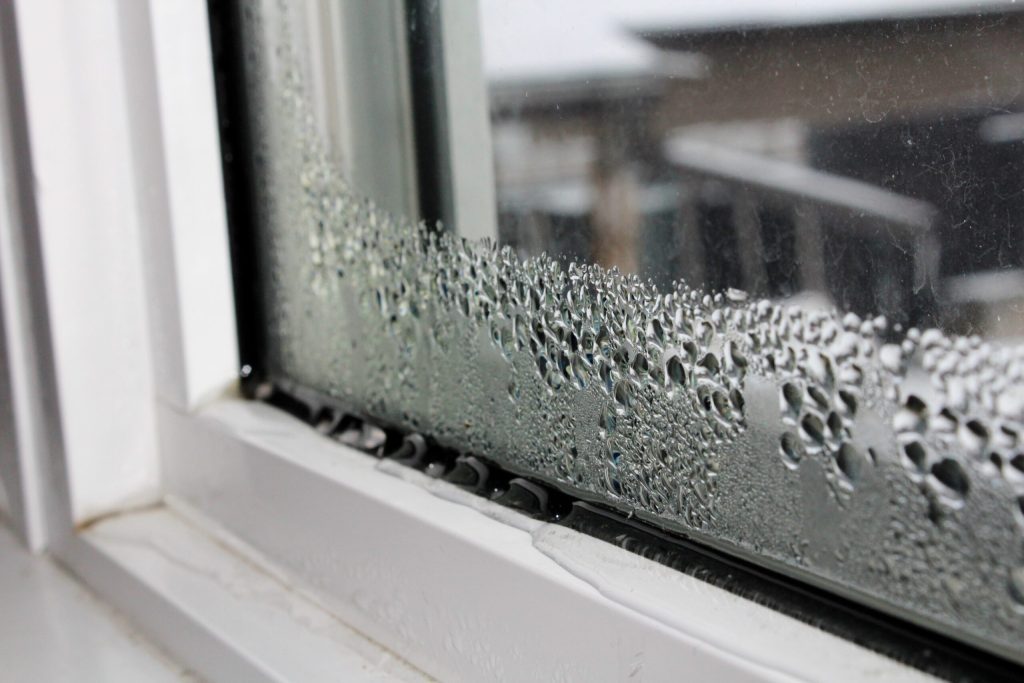
Black mould around windows, cold corners or behind furniture can be associated with high indoor humidity and cold surfaces. In those cases, we consider how much moisture is being produced and whether it is being removed effectively.
That may include looking at kitchen extractor fans, bathroom extractor fans, trickle vents and general airflow.
The important point is that we do not diagnose every damp problem in the same way.
There is no fixed time that applies to every property.
The length of the survey depends on factors such as:
A straightforward issue affecting one room may take less time to investigate than a property with several different damp problems.
We would rather take the time needed to understand the problem properly than rush through an inspection and recommend a generic fix.
A damp survey may be useful if the cause of the problem is unclear, persistent or keeps returning.
Common reasons people ask us to investigate include recurring damp patches, mould that returns after cleaning, ongoing condensation, musty smells, peeling finishes, unexplained staining or uncertainty about whether damp proofing is required.
The main benefit of a survey is that it can reduce the risk of paying for the wrong treatment.
For example, installing a damp proof course will not solve a condensation problem caused by excess indoor moisture.
Likewise, improving ventilation will not repair water entering through a damaged roof.
The treatment needs to match the cause.
A Level 2 home survey can identify visible signs of damp as part of a wider inspection of a property.
It is not the same as a specialist damp survey.
A general property survey covers many different aspects of the building, whereas a specialist damp survey focuses more closely on moisture, its likely source and what further action may be required.
If a Level 2 survey has already highlighted possible damp, a specialist damp survey can look at that issue in more detail.
If damp has already been identified, or you have noticed signs that concern you, a specialist survey can help you understand the issue before deciding what to do next.
The important questions are not simply whether damp is present.
You also want to know:
A damp survey can help provide more detail around those questions.
You usually do not need to make major changes before a survey.
It helps if affected areas are easy to access.
Where practical, move furniture away from problem walls and make sure relevant loft hatches, cupboards or service areas are not blocked.
It is also useful to tell us about previous leaks, earlier damp treatments, roof or gutter repairs, recent building work, changes to windows or insulation, and when the problem appears to be worst.
Photos taken during wet weather or when condensation is particularly bad can also provide useful context.
Once we have investigated the property, we explain what we believe is causing the problem and what the next steps may be.
That could involve repairing an external defect, improving drainage, addressing a damp proof course issue, improving ventilation, upgrading extractor fans, reducing excess moisture, carrying out mould remediation or arranging further specialist investigation.
We do not believe in rushing customers into contracts.
If damp proofing is required, we explain why and what the treatment is intended to achieve.
If the evidence points towards condensation and poor airflow, we explain that instead.
If mould is present and requires professional treatment, we can also explain when mould removal may be appropriate alongside prevention.
The important thing is that you understand why a recommendation has been made.
One of the most common mistakes we see is focusing on treatment before the cause has been properly established.
The same visible symptom can have several different causes.
A damp patch might be linked to condensation, penetrating damp, rising damp, a leaking pipe, failed guttering, roof defects or another building issue.
If the diagnosis is wrong, the treatment may not solve the problem.
That is why we prefer to understand the moisture source first and then recommend the appropriate next step.
Recognised industry guidance from organisations such as RICS and the PCA supports a whole-building approach to moisture investigation, and that reflects how we work at Damp Resolutions.
If damp keeps returning, the source of the moisture is unclear, or you are unsure whether you are dealing with condensation, penetrating damp, rising damp or another issue, a professional survey can help clarify what is happening.
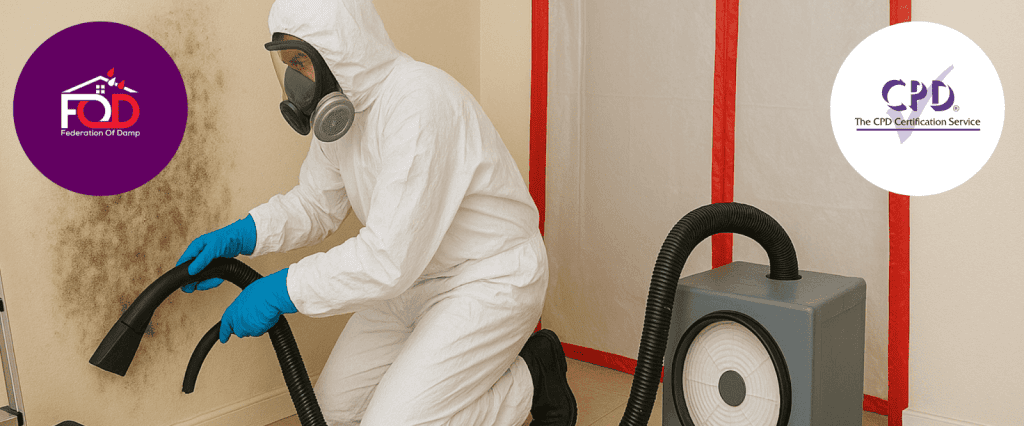
At Damp Resolutions, we have 14 years of damp remediation experience, are credited by the Federation of Damp Surveyors, and hold CPD Certification in Mould Remediation – Damp & Mould: Safe Systems at Work Tier 3.
Our approach is straightforward: we inspect the property properly, consider the evidence and explain what we find.
No pressure. No assumptions. Just practical advice based on the property in front of us.
For more information about our wider damp services, visit our damp specialists and damp surveyors homepage.
What service do you require?
Please enter your contact details:
Please upload images related to your issue:
Thank you! Someone will be in touch with you shortly.