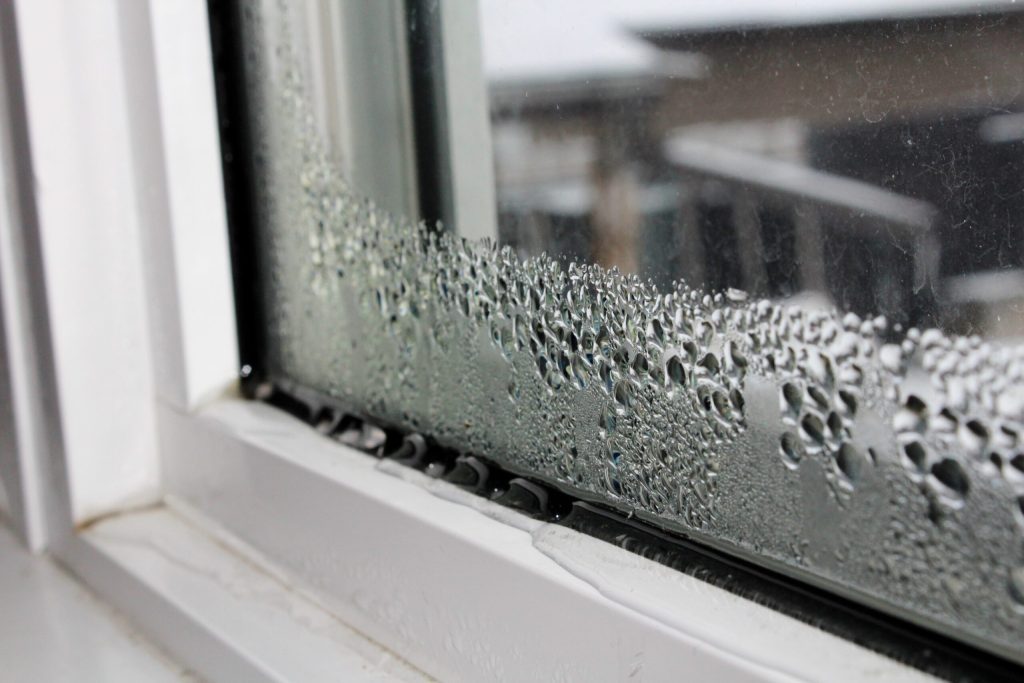


If your home suffers from condensation, stale air or mould that keeps returning, it is natural to start looking at Positive Input Ventilation as a possible answer. PIV systems have become a well-known solution for properties with poor airflow and recurring moisture problems. At the same time, not every home needs one, and not every property suits the same type of system. That is why one of the most useful questions you can ask is not simply whether PIV works, but whether it is right for your home.
Positive input ventilation only works well when it matches the building and the problem. A PIV system can be highly effective in the right setting. It can reduce background humidity, improve airflow and help make condensation-led mould less likely to return.
But those same sources also make clear that suitability matters. A loft-mounted PIV system needs a suitable loft. Flats and homes without loft space often need a wall-mounted alternative. Some homes need stronger extractor coverage in wet rooms rather than or alongside PIV. Some properties have structural damp issues that require a different remedy altogether.
A PIV system is not a one-size-fits-all appliance. It is part of a ventilation strategy. That strategy only works when it suits the way your home holds moisture, moves air and handles everyday living. Two homes can both show mould, condensation and stale air, but the reason behind those symptoms may differ.
One home may trap moisture because it lacks effective background ventilation. Another may suffer because a bathroom extractor has failed, and steam never clears. Another may have penetrating damp or a leak that no ventilation product can fix. On the surface, all three homes may look damp. In practice, they need different solutions.
This is why suitability comes before pricing, before product choice and before installation. The right system in the wrong property can disappoint. The right system in the right property can make a major difference to comfort, condensation control and indoor air quality.
One of the strongest signs that a home may suit PIV is repeated condensation. If windows regularly collect water inside, especially in bedrooms and on colder external elevations, that usually points to excess indoor humidity and inadequate airflow.
Condensation is often the visible clue that a larger ventilation problem exists. The moisture is not appearing out of nowhere. It is building up from normal daily life and failing to leave the property efficiently. Cooking, bathing, drying clothes, and simply living indoors all add water vapour to the air. If the property cannot move that moisture out effectively, it settles on colder surfaces.
A home that suffers from condensation in several rooms, rather than just one isolated wet area, often becomes a strong candidate for a whole-home ventilation approach. That does not guarantee PIV is the answer, but it does make the case for further assessment much stronger.
Black mould is another common sign that a property may benefit from improved ventilation. If mould keeps returning after cleaning, especially around window reveals, on outside walls, in corners or behind furniture, the property may be trapping too much moisture in the air. PIV systems are commonly recommended in these situations because they help reduce humidity and improve the airflow conditions that mould depends on.
This is especially relevant where mould is linked to a wider pattern of stale air and condensation rather than one obvious local fault. If a bathroom ceiling develops mould because the extractor is broken, local extraction may be the more immediate answer. If several rooms show signs of mould and the property feels generally under-ventilated, a PIV system may have a much stronger case.
Suitability in this context always comes back to cause. PIV works well where mould follows poor airflow and trapped humidity. It does not replace repairs if water enters through the building fabric.
Some homes do not show dramatic condensation every day, but they still feel wrong. The air feels heavy. Bedrooms feel stale in the morning. Musty smells linger. Laundry takes longer to dry indoors. Walls and corners feel cold and slightly damp in winter. These are all signs that the home may not be breathing well enough.
This kind of home often suits PIV well because the problem is not limited to one room. It sits in the general air movement of the house. Improving that background airflow can make the whole property feel healthier and less stagnant. This is one reason why many people notice a difference in air freshness as well as condensation control.
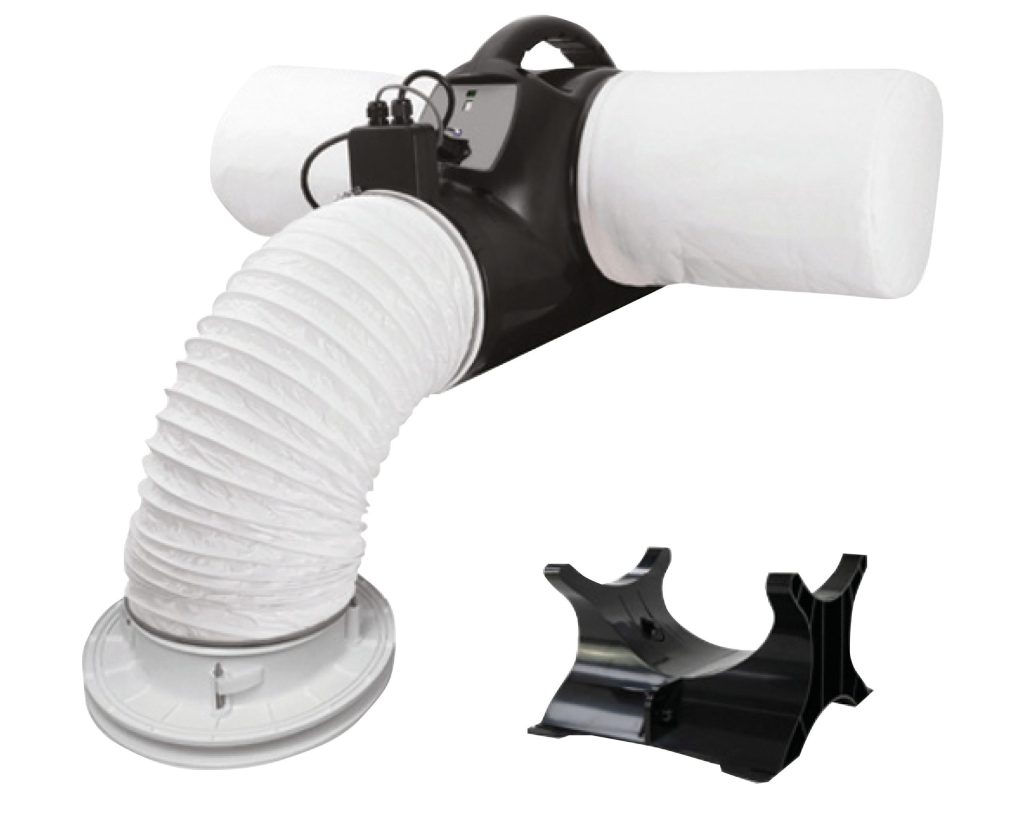
In practical terms, a standard house with a suitable loft is often the simplest and most obvious fit for a loft-mounted PIV unit.
This type of setup often suits houses because it allows the unit to sit out of the way while serving the property from a central point. If the loft is accessible and appropriate for installation, the home already fits the standard route that many PIV systems are designed around.
That does not mean every house with a loft is automatically suitable. The loft still needs to be appropriate for the chosen unit, and the overall property still needs the right diagnosis. But compared with more unusual layouts, a standard house with a usable loft tends to offer the clearest starting point.
One of the biggest misunderstandings around PIV is the idea that you need a loft, or the whole concept falls apart. That is not true. These systems draw fresh air through an external wall and introduce it into the home from a central indoor position.
That means many flats, apartments, and some bungalows can still be suitable for positive input ventilation, provided the right type of unit is chosen. The property may not suit the most common loft-mounted system, but it may still suit a different configuration.
This is an important point because it shifts the conversation from “Do you have a loft?” to “What kind of PIV system suits your property type?” Those are very different questions, and the second one is much more useful.
While homes without lofts can still use suitable ventilation systems, flats and apartments usually need more careful assessment than a straightforward house with a loft space. Layout, wall access, internal corridors, airtightness and the way air moves through the flat all matter.
This does not make flats poor candidates. It simply means the installation route and product choice require more attention. A flat with recurring condensation and stale air may still be an excellent fit for a ventilation system, but the right system needs to match the constraints of the building.
A good way to judge suitability is to look at the spread of the moisture issue. If the problem appears in multiple rooms, especially bedrooms, hallways, cold corners and outside walls, the home may suit a whole-home ventilation strategy such as PIV. If the problem stays tightly concentrated in one bathroom or one kitchen, local extraction may deserve attention first.
This distinction matters because PIV supports the property as a whole rather than targeting the steam at the source in one room. That makes it a strong fit for homes with broader humidity imbalance. It also explains why some homeowners benefit from both PIV and upgraded extractor fans. The home may need better source extraction in wet rooms and stronger background airflow across the rest of the property.
A home that consistently feels damp as a whole, rather than only in one localised area, often makes a better PIV candidate.
Suitability is not only about where PIV works well. It is also about where something else should come first. If your bathroom has no effective extractor or your kitchen never clears cooking steam, it may make more sense to address those local issues before deciding whether you need PIV at all.
That does not mean PIV has no role. It means source control matters. Wet rooms create intense, concentrated moisture and need direct extraction. If that part of the ventilation setup is weak, the home may never perform properly, no matter how good the background airflow becomes.
This is why suitability often involves a wider review of the property’s existing ventilation. A house may suit PIV, but it may also need stronger bathroom and kitchen extraction to get the full benefit.
This may be the most important suitability rule of all. A PIV system is not the right answer for every form of damp. If the home has a roof leak, plumbing leak, penetrating damp or another structural moisture problem, ventilation alone will not fix the source. PIV is best suited to condensation-related issues caused by trapped indoor humidity and poor airflow.
This matters because many properties get labelled as “damp” without enough distinction between damp types. That can lead people to research PIV when the actual issue lies in the building envelope rather than the indoor atmosphere. A property may look suitable on the surface because it has mould or water marks, but if those symptoms come from external water ingress, PIV will not address the true cause.
The right home for PIV is one where moisture behaviour points clearly towards condensation and ventilation failure, not a building defect that needs repair.
Some homeowners worry that PIV will make the house feel cold. That concern is not a reason to reject the system automatically, but it is a factor in suitability and specification. Current guidance notes that loft-mounted units draw air from loft spaces, and in colder months, that incoming air can feel cooler if the system and property are not matched properly. It also notes that heated or alternative systems may help where comfort is a concern.
This matters because suitability is not just about whether a system can be fitted. It is also about whether it will perform comfortably in that home. Insulation levels, layout, existing ventilation and the type of unit all influence that answer.
In many homes, these concerns are manageable. In some homes, they become more significant. A proper recommendation should consider comfort as part of fit, not as an afterthought.
Another strong sign of suitability is the repeated failure of surface-level solutions. If you keep wiping windows, cleaning mould, repainting affected walls and opening windows temporarily, but the same issues always come back, the home may be telling you that it needs a more fundamental ventilation change.
That does not prove PIV is the answer, but it often suggests the property has a deeper airflow issue that quick fixes cannot solve. A home with this pattern often benefits from a longer-term approach to humidity control rather than another reactive treatment.
This is why positive input ventilation appeals to so many households dealing with persistent condensation. The problem is not that they have not cleaned enough. The problem is that the environment keeps recreating the same conditions.
The strongest home candidates for positive input ventilation usually show several signs at once. Condensation appears regularly rather than occasionally. Mould returns after cleaning. The issue affects more than one room. The air feels stale or heavy. The home seems under-ventilated overall. There is no obvious structural leak or external water ingress driving the problem. The property either has a suitable loft for a standard system or can accommodate a suitable alternative configuration.
If that description sounds like your home, the case for PIV becomes much stronger.
If your home suffers from repeated condensation, mould or stale air and you want to know whether PIV is the right next step, the smartest move is to assess the cause properly before choosing the solution. Contact us today for more information on ventilation system installation.
What service do you require?
Please enter your contact details:
Please upload images related to your issue:
Thank you! Someone will be in touch with you shortly.