


Positive Input Ventilation (PIV) is fast becoming a popular choice for tackling condensation, damp, and mould in UK properties. But is it right for your home? The pros and cons of PIV systems go beyond simple damp control. Below, you’ll find a direct, practical assessment of their real-world benefits and drawbacks, answering what many homeowners wish they’d known before installing.
Fast Answers: The Ups and Downs of Positive Input Ventilation
PIV systems work by delivering a steady supply of filtered, fresh air into your home, gently pushing out stale, moisture-laden air. This process is proven to reduce condensation and associated mould problems. On the plus side, PIV is low-maintenance, unobtrusive, and cost-effective to run. The downsides? It won’t fix structural damp, may not suit every property, and in rare cases can cause mild draughts or slight drops in indoor temperature. The system’s effectiveness relies on correct installation and the right property type.
What Is Positive Input Ventilation, and How Does It Work?
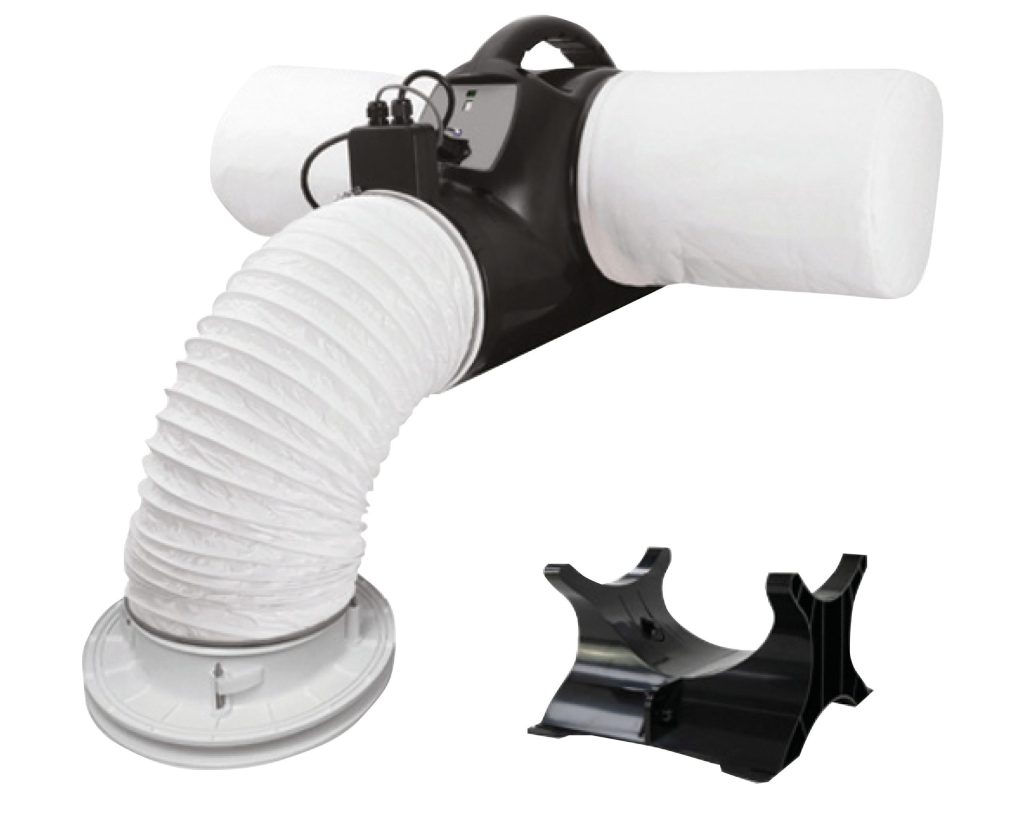
Positive Input Ventilation systems are mechanical units, usually installed in the loft or on an interior wall. The core principle is simple: they draw in fresh air from outside, filter it (often with high-grade, cleanable filters), and gently feed it into living spaces. This positive air pressure forces out moist, stale air through natural leakage points, extractor fans, or trickle vents. The result is a much lower risk of condensation, without invasive building work or noisy machinery.
In many typical British homes prone to condensation and black mould, this approach can achieve quick, visible results. However, the system depends on proper flow and some background ventilation to work at its best. If you would like a primer, read our guide on what is a PIV system.
The Main Pros of Positive Input Ventilation in UK Properties
The primary goal of PIV is to prevent warm, moist air from leading to condensation on cold surfaces, including windows and walls. By maintaining a gentle airflow, PIV breaks the cycle that leads to black mould patches and musty odours.
PIV systems use effective air filters to trap dust, pollen, and airborne particles. This hugely benefits allergy sufferers and anyone sensitive to poor air quality. Many UK homes, especially those built before modern ventilation standards were introduced, experience a marked reduction in stuffiness, cooking smells, and even radon gas.
Compared with dehumidifiers or open windows, PIV works quietly in the background. The filters need a yearly clean or replacement, but there’s little else to manage. There’s no need to empty water tanks or worry about running noisy fans for hours.
Good-quality PIV units, such as Airvent PIV positive input ventilation units, are designed to use very little electricity, typically less than that of a low-energy lightbulb. Once installed, running costs are generally negligible for most households. Unlike continuous dehumidification or heating, PIV uses minimal power.
By keeping condensation at bay, PIV can help protect timber, plasterwork, and insulation from the hidden damage caused by persistent damp. Over time, this safeguards both your home’s structure and your investment.
Where Positive Input Ventilation Can Fall Short
If your home has rising damp, plumbing leaks, or rainwater seeping in, PIV will not resolve these issues. Structural repairs must come first; otherwise, the system can mask ongoing damage rather than prevent it.
While PIV is an excellent match for many houses and upper-floor flats, it is less practical for some ground-floor flats or buildings without access to a loft or a clear external wall. Installation in these cases can be more complex or sometimes not feasible.
Because PIV introduces outside air, UK users sometimes report rooms feeling slightly cooler, particularly in winter. Modern PIV systems can warm incoming air, but the effect depends on unit type and house layout.
PIV units rely on clean filters to maintain high air quality. Neglecting filter changes (typically once a year) can reduce system performance and, in rare cases, allow mould problems to worsen.
While generally quiet, cheaper or poorly fitted PIV systems can generate a humming sound. Some units require vent grills in visible areas, such as the hall or landing. For most people, this is a minor drawback, but it’s worth considering before installation.
Deciding If PIV Suits Your Home
A PIV system is a strong candidate if you have persistent condensation on windows, mould in corners, or musty smells, especially in properties that lack modern ventilation. Homes built before 2000 across the UK, with single-glazed windows or solid walls, are often prime candidates.
However, homes with consistent structural leaks, inadequate ventilation, or very airtight construction may not see the same results. Consider your property’s layout, how long you intend to stay, and whether you can commit to annual filter maintenance.
If you notice damp patches rising from ground level, bubbling plaster, or water stains after heavy rain, arrange a professional damp survey. PIV can help with residual humidity, but cannot repair broken gutters, faulty drains, or failing damp-proof courses.
PIV Compared with Other Home Ventilation and Damp Solutions
It’s worth comparing PIV with more familiar choices: extractor fans, dehumidifiers, and Mechanical Ventilation with Heat Recovery (MVHR).
Extractor fans are effective for spot control, typically in bathrooms and kitchens, but do not ventilate the whole property. Upgraded PIV extractor fans can complement a whole-home PIV setup. Dehumidifiers tackle airborne moisture but do not remove stale air or allergens, and constant use can push up electricity bills. MVHR systems offer both air exchange and heat recovery, but cost much more and are complex to retrofit. PIV’s sweet spot is ease of install, low running cost, and reliable, all-of-home humidity control for existing houses.
What to Expect from Installation and Upkeep
Getting a PIV system professionally installed, such as through Damp Resolutions, usually takes a few hours and involves minimal disruption. A site assessment checks for suitability, access, and the best location for optimal airflow. The installer explains filter maintenance and checks for background ventilation (such as trickle vents) to ensure balanced results.
Maintenance afterwards is low, with the main job being a yearly filter clean or replacement.
If you’re interested in learning more or want to see whether a PIV could resolve persistent condensation and mould, you’ll find a clear guide to positive input ventilation system installation at Damp Resolutions. This page details how the process works, what’s included, and what results to expect.
Pros, Cons and Honest Outcomes: Real-World Experiences
In practice, the majority of UK homeowners who install a reputable PIV system (and maintain it well) see a rapid reduction in condensation and fresher-smelling rooms. For tenants and homeowners alike, decreased mould, fewer allergy symptoms, and a more comfortable indoor environment are common outcomes.
Less often, some users may not notice an immediate improvement, especially if doors stay shut or the home is overly sealed, preventing air from escaping. In these cases, further tweaks, like new trickle vents or minor structural repairs, might be needed.
FAQs: Damp Resolutions and PIV Installation
Yes. We carry out a damp and ventilation assessment to confirm the cause of moisture, assess background ventilation, and ensure a PIV unit is the right fit for the property.
Most installs take a few hours with minimal disruption. We protect walkways, choose a neat location, and tidy up before we leave.
Often yes. We can use wall-mounted or alternative siting where a loft is not available. If there is no suitable route or the layout is not appropriate, we will advise practical alternatives.
Plan for a yearly filter clean or replacement, depending on usage and local air quality. We can supply replacement filters and set reminders if needed.
Absolutely. If leaks, rising damp, or building defects are present, we will prioritise repairs and only recommend PIV once the underlying issues are addressed.
Plan Your Next Steps
Understanding the genuine pros and cons of positive input ventilation helps you make an informed decision. If condensation, consistent mould, or poor indoor air quality is an issue in your home, seeking advice from a professional installer is the sensible first move.
What service do you require?
Please enter your contact details:
Please upload images related to your issue:
Thank you! Someone will be in touch with you shortly.