

If your windows collect water every morning, your walls feel damp in winter, or black mould keeps returning no matter how often you clean it, the issue is likely related to poor airflow.
Many homes trap too much moisture indoors, and once that moisture builds up, it settles on cold surfaces, feeds mould growth and leaves the air feeling stale and unhealthy.
A positive input ventilation system, usually called a PIV system, tackles that problem by improving the way air moves through your home. It changes the indoor environment by introducing filtered air into the property and helping humid, stale air escape. In the right home, that steady movement of air can reduce condensation, lower the risk of mould and help create a fresher and healthier living space.
A lot of homeowners hear the term PIV and assume it is a specialist product that only applies to severe damp problems. In reality, it is a practical ventilation solution for homes that struggle with trapped moisture, poor airflow and recurring condensation. Once you understand how it works, it becomes much easier to see why it plays such an important role in solving ventilation-led damp and mould issues.
PIV stands for positive input ventilation. The phrase sounds technical, but the principle behind it is simple. The system introduces clean, filtered air into the home and creates a gentle positive pressure inside the property. That pressure encourages older, moisture-heavy air to move out through natural leakage points, trickle vents and other escape routes.
Replacement of damp indoor air matters because most homes create moisture every day. Cooking releases steam. Showers fill bathrooms with warm, wet air. Drying clothes indoors adds more humidity. Even breathing contributes moisture to the rooms you live in. If the property does not have enough ventilation, all of that moisture stays trapped inside!
A PIV system breaks that pattern. It gives your home a steady supply of filtered air and helps stop moisture from sitting still for long enough to cause ongoing condensation problems.
Condensation forms when warm, humid air hits a colder surface. The moisture in the air cools down and turns into water droplets. Most people first notice this on bedroom windows or around the edges of frames, but condensation rarely stays limited to glass. It often starts affecting outside walls, ceilings, hidden corners, cupboards and areas behind furniture.
If that dampness keeps returning, mould often follows. Mould thrives in places where moisture lingers, and airflow stays poor. That is why so many homes with repeated mould growth also have bigger ventilation problems in the background.
This is where many people lose time and money. They repaint walls, wipe down windows and buy short-term products, but none of that changes the air movement inside the property. If the home cannot remove excess moisture effectively, the problem keeps repeating. PIV works differently because it addresses the indoor conditions that allow condensation and mould to keep returning.
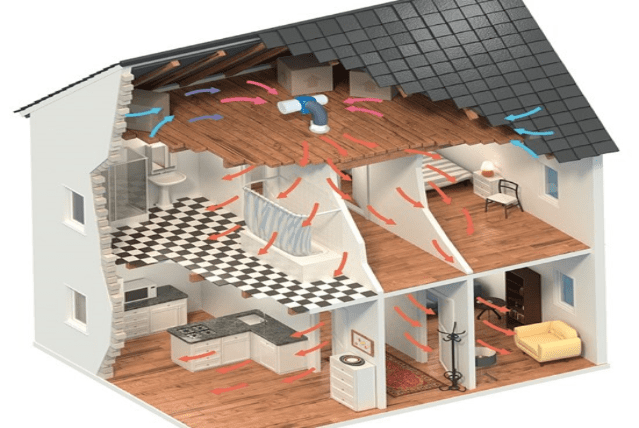
A PIV system works by drawing in air, filtering it and releasing it into the home at a controlled rate. In many houses, the unit sits in the loft and feeds air through a diffuser placed in a central position, usually on the landing or in the hallway ceiling. That air then moves gently through the property and helps displace damp, stale air that would otherwise stay trapped indoors.
The system does not need to force large volumes of air through the home to work properly. In fact, the best results usually come from consistent, quiet and controlled airflow. The aim is not to create a strong breeze. The aim is to maintain enough movement to reduce stagnant moisture and support a healthier balance of indoor air.
As that filtered air enters the property, it slightly increases the internal air pressure. That small pressure change encourages older air to leave the building naturally. Over time, that reduces the build-up of humidity inside the home. When humidity levels drop, condensation becomes less severe, and mould finds it harder to spread.
Many units also include filters that help clean the incoming air before it enters the living space. That means the system supports not only moisture control but also a fresher indoor environment overall for households that struggle with stale smells, stuffy bedrooms or a heavy indoor atmosphere, which can make a noticeable difference.
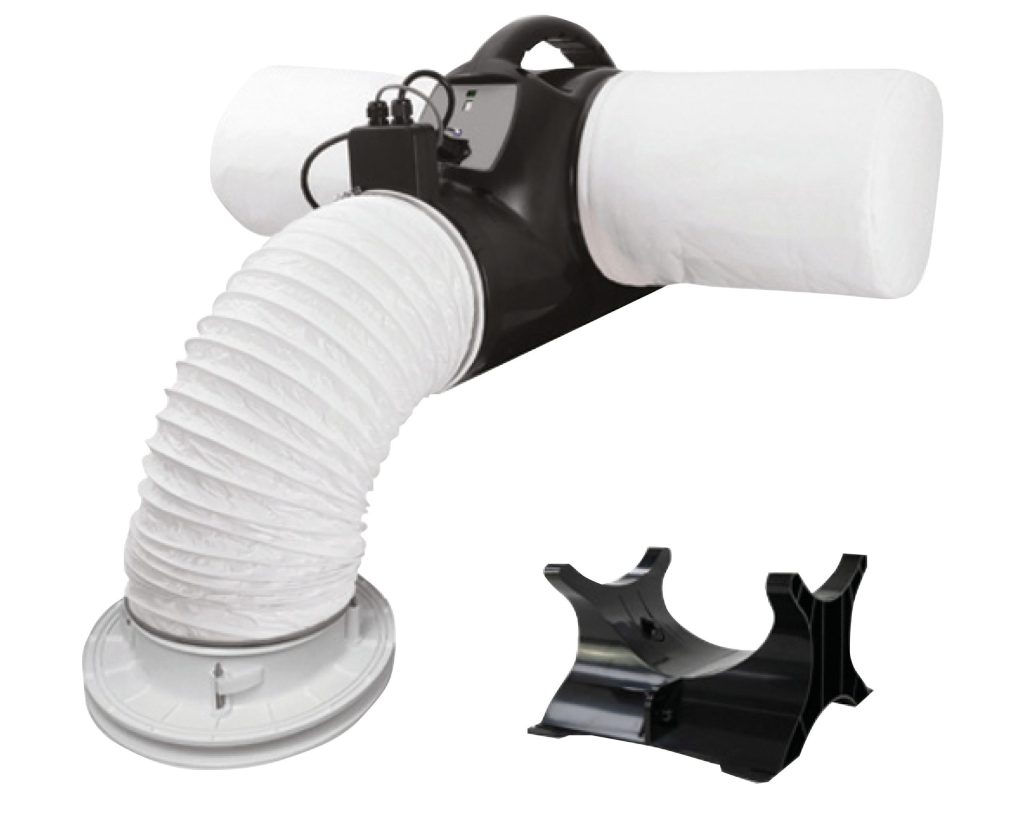
The most common type of PIV unit in a house is a loft-mounted system. The main unit sits in the loft, where it can draw in air and distribute it into the property through a central ceiling diffuser. This setup works well in many houses because it serves the whole home without taking up visible space in living areas.
Not every property has a suitable loft, though. Flats, apartments and some houses need a different approach. In those cases, a wall-mounted system may provide the right answer. That type of unit brings air in directly from outside and introduces it into the property through an internal wall position.
This is why proper assessment matters before installation. The way a system works in a three-bedroom semi-detached house may differ from the way it needs to work in a flat or bungalow. Property layout, insulation levels, existing ventilation, room use and the pattern of the condensation all affect the best solution. A good recommendation should always follow the home, not force the home to fit the product.
A PIV system helps with the issues that usually grow out of trapped humidity and poor airflow. That often includes recurring condensation on windows, black mould on walls and ceilings, musty smells, stale air and a general feeling that the home never fully dries out. When moisture collects in the same areas over and over again, the environment becomes perfect for ongoing mould growth.
By reducing indoor humidity and improving circulation, a PIV system can interrupt that cycle. The home starts to hold less stagnant moisture. The air feels fresher. Windows often clear more easily. Mould risk can be reduced because the damp conditions that support it begin to change.
This is an important point. A PIV system does not attack mould as a cleaning product does. It helps remove the environment that mould relies on. That is a much stronger long-term approach in homes where ventilation is the real cause of the problem.
It can also help people who feel their home is stuffy, close or uncomfortable. Some properties do not have visible mould everywhere, but they still feel heavy and poorly ventilated. Bedrooms might feel damp by morning. Condensation may appear in colder months. Rooms may smell musty even after cleaning. These signs all point to poor background ventilation, which is exactly where a PIV system can make a difference.
A PIV system and an extractor fan support ventilation in different ways. They do not do the same job. An extractor fan removes moisture at source, usually from a bathroom, kitchen or utility room. It deals with local bursts of humidity caused by cooking, showering or washing.
A PIV system works more broadly across the home. It improves background airflow and helps reduce the overall build-up of moisture in the property. It does not focus on one wet room. It supports the house as a whole.
That distinction matters because some homeowners assume one system replaces the other. In many cases, the best setup includes both. A kitchen still needs proper extraction because cooking creates concentrated moisture and odours in one area. A bathroom still needs an effective extractor because showers and baths release steam quickly. PIV supports the wider property, while extractor fans deal with wet rooms directly.
When these elements work together, the home benefits from a much stronger ventilation strategy. The extractor fans control moisture at source, while the PIV system improves the overall movement and freshness of air throughout the building.
No, and it is important to be clear about that. A PIV system is a ventilation solution, not a damp-proof course and not a structural damp treatment. It helps where condensation and mould come from poor airflow and trapped humidity. It does not fix every form of damp.
If a property has a leaking roof, defective guttering, penetrating damp or another building defect, a PIV system will not repair those faults. If water enters the property through the structure, the solution must focus on that cause. In the same way, if a home has a plumbing leak behind a wall, improved airflow will not solve the leak itself.
This is why diagnosis matters so much. Damp is not one single problem. Different forms of damp need different solutions. A lot of homes that people describe as damp homes are actually suffering most from condensation. That is exactly where PIV can help. But any serious recommendation should start by identifying the real source of the moisture.
A PIV system often suits homeowners and landlords who deal with repeated condensation, black mould and stale indoor air. It tends to work best in homes where these issues affect more than one room or where moisture problems keep returning despite surface cleaning and short-term fixes.
It can be a strong option for homes that feel sealed up and under-ventilated. Modern living habits often make this worse. People keep windows closed in colder weather, dry clothes indoors, use the shower daily and heat only certain rooms. All of that can increase indoor humidity. If the property does not allow enough fresh air movement, moisture starts to settle.
Homes with a loft are obvious candidates for loft-mounted PIV systems, but properties without lofts may still be suitable for alternative versions. The best candidates usually show a recognisable pattern. Windows stream with water. Mould appears on outside walls or around frames. The home smells stale. Rooms feel damp in the morning. Air does not seem to move naturally through the property.
In those homes, better ventilation often changes more than just the visible mould. It changes the way the property feels to live in.
Many homeowners know they have a damp or mould problem, but they are less sure whether ventilation is actually the cause. There are some strong indicators. If condensation gets worse in winter, appears on several windows and eases when windows stay open for longer, poor airflow is likely to play a major role. If mould appears behind furniture, in corners or on cold outside walls, that also points strongly towards condensation linked to trapped moisture.
You may also notice a stale smell that does not go away even after cleaning. Bedrooms may feel close and stuffy in the morning. Walls may feel cold and slightly damp even when there is no obvious leak. Laundry may take too long to dry indoors. These are all signs that the home is holding too much moisture and not moving enough air through the building.
When those signs appear across the property rather than in one isolated area, a whole-home ventilation solution becomes much more relevant.
This is one of the most common concerns, and it is a fair question. No homeowner wants to solve a moisture problem by creating a comfort problem. A correctly selected and properly installed PIV system should introduce air in a controlled way. It should not create an obvious draught or make the property feel harsh and cold.
What often gets overlooked is that damp homes already feel uncomfortable. Humid, stagnant air can make rooms feel colder, heavier and more unpleasant even when the heating is on. When ventilation improves, the indoor environment often feels fresher and more balanced.
That said, the system still needs to match the property. The right unit, installation method and settings matter. A one-size-fits-all approach can cause problems. This is another reason why professional advice matters. The goal is always to improve airflow without compromising comfort.
That depends on the property, the severity of the condensation and how the home is used day to day. Some people notice changes quite quickly, especially if they have heavy window condensation that appears every morning. Others see a more gradual improvement as indoor humidity levels settle and airflow becomes more consistent across the property.
Visible mould staining will not disappear on its own just because airflow improves, but the environment that allowed that mould to keep returning can become much less favourable. That is what makes the result more sustainable. Instead of chasing the same mould problem month after month, you start changing the conditions that caused it.
In many cases, homeowners notice that the home feels fresher before they notice every visual sign improving. Bedrooms may feel less stuffy. The property may smell cleaner. Windows may clear more quickly. These early changes often show that the ventilation strategy is starting to work.
Like any ventilation product, a PIV system needs some ongoing care. It is not a high-maintenance solution, but it does need occasional attention. The filter needs checking and replacing in line with the manufacturer’s guidance, because clean incoming air depends on the filter doing its job properly.
A neglected system will not perform as well as a maintained one. That does not mean upkeep is difficult, but it does mean maintenance should form part of the long-term plan. A good installer should explain clearly what the system needs, what the owner should expect and when checks or replacements should happen.
Homes now hold heat better than many older properties did, which helps with energy efficiency, but it can also mean they hold moisture more effectively if ventilation does not keep pace. Every day life still produces the same moisture, and in some homes it produces even more. More showers, more cooking, more indoor drying and more time spent at home all increase humidity levels.
If the property cannot manage that moisture properly, condensation becomes more likely. That is why better background ventilation now plays such an important role in healthy homes. PIV has become increasingly relevant because it addresses a very modern problem. Homes need to stay warm, but they also need to breathe.
That matters for health, comfort and building condition. A home with constantly trapped moisture does not just look worse. It feels worse to live in. It can smell stale, support mould growth and create ongoing frustration for the people inside it.
Because the best results come from solving the right problem in the right way, not every home with mould needs the same answer. Not every damp-looking wall points to condensation and not every property needs whole-home ventilation. A proper assessment should look at the moisture pattern, the structure of the property, the current extraction setup and the overall airflow.
When ventilation is the real cause, a PIV system can provide a strong long-term solution. It can reduce condensation, lower mould risk, and improve indoor air quality in a way that surface-level treatments never will. But it needs to be chosen carefully and installed properly if you want the result to last.
If you keep seeing the same signs of condensation and mould in your home, now is the time to stop treating the symptom and start looking at the cause. Damp Resolutions can help you assess the problem, understand whether a PIV system is right for your property and move towards a solution that improves the way your home actually works.
What service do you require?
Please enter your contact details:
Please upload images related to your issue:
Thank you! Someone will be in touch with you shortly.