
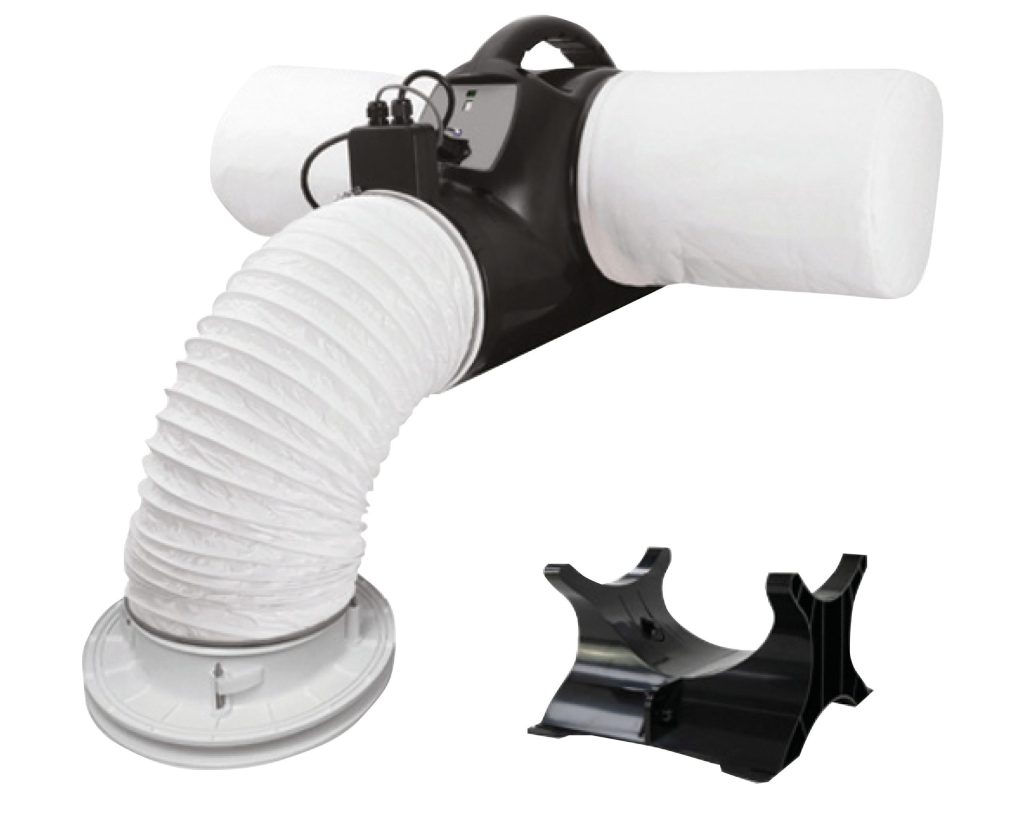

One of the most common questions homeowners ask after choosing positive input ventilation is also one of the most reasonable. They want to know how long it will take before they actually notice a difference. If you have lived with streaming windows, black mould or stale air for months, you do not just want to know that a PIV system can help. You want to know when it starts helping.
The honest answer is that a PIV system can start improving the indoor environment quite quickly, but the exact timing depends on the home, the severity of the moisture problem and whether ventilation is truly the main cause.
Some homeowners notice changes in air freshness and condensation levels within days. Others see the biggest improvements over a longer period as the property settles into a healthier moisture balance. Existing mould staining, deep decoration damage or untreated extraction issues in wet rooms can also affect what “working” looks like in practice.
So the right way to ask the question is not only “How long does it take?” It is also “What exactly should I expect to improve, and in what order?”
That is where a useful answer starts.
In one sense, the answer is immediate. Once the system is installed and operating, it begins introducing filtered air into the property and encouraging stale, humid air to move out. That means the ventilation process itself starts straight away. The unit does not need a special bedding-in period before it begins doing its job.
What takes time is the visible and lived effect of that operation inside the home. Humidity patterns do not always reverse in a single afternoon. Mould stains do not vanish just because the air improves. Condensation does not always disappear in exactly the same way in every property.
That distinction helps set realistic expectations. The system starts working straight away, but the signs that matter to homeowners can appear at different speeds.
Before they notice anything dramatic on the windows, many homeowners first describe the home as feeling fresher or less stale. Bedrooms may seem less heavy in the morning. Hallways may smell cleaner. The overall air can feel as though it moves more naturally through the property. That change often arrives early because ventilation directly affects the atmosphere of the home by introducing filtered air and encouraging ongoing circulation.
This early improvement often signals that the system is beginning to change the environment properly. Even before every visible symptom improves, the home may already feel different to live in. That can be especially noticeable in bedrooms and circulation spaces where trapped overnight humidity often creates a heavy, uncomfortable feel.
This is also one reason homeowners sometimes underestimate the system at first. They focus so closely on the mould patch or the wet window that they overlook the broader environmental shift happening around it.
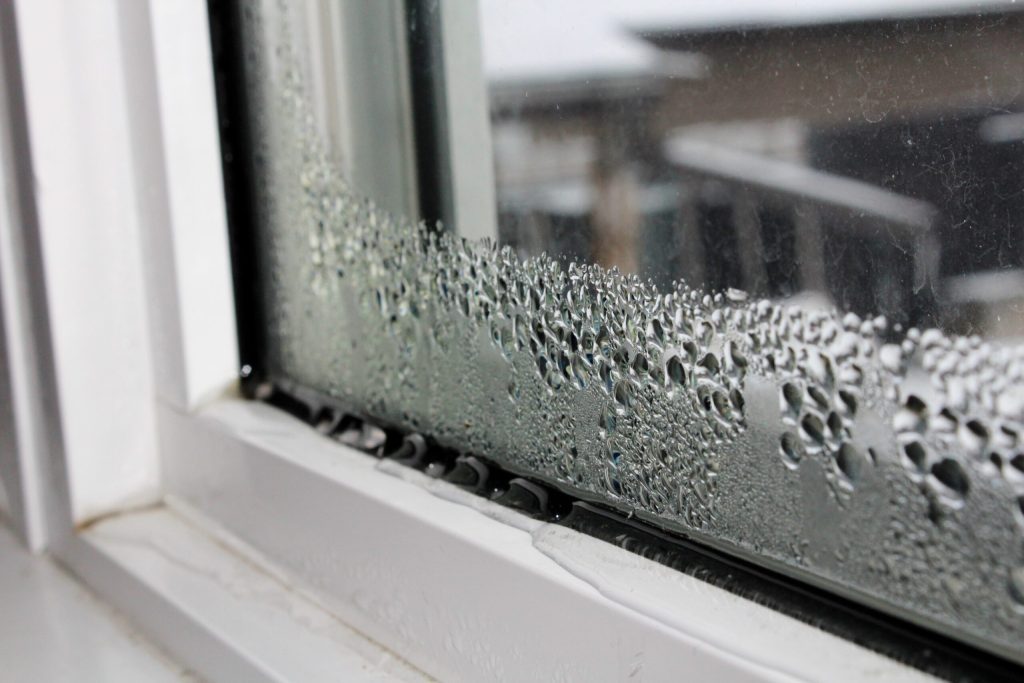
Condensation is often one of the earliest visible signs to improve because it responds directly to changes in humidity and airflow. If the property has been suffering from trapped moisture in the air, a PIV system in the UK can start reducing that moisture balance from day one.
In practice, that means many homeowners may notice less water on bedroom windows or reduced moisture on colder glass within the early days or weeks. The exact timing depends on the season, the property and how severe the issue was beforehand. In winter, when cold surfaces encourage condensation more aggressively, the difference may be easier to notice because the baseline problem is so obvious.
That said, “less condensation” does not always mean “none at all” straight away. The system often improves the pattern first. Windows may dry faster. The amount of water may be reduced. Some rooms may respond sooner than others. That is still a sign that the home is moving in the right direction.
Mould usually takes longer to assess because mould is not just a humidity pattern. It is also the physical result of past moisture exposure. A PIV system can help make mould less likely to return by lowering humidity and reducing repeated surface dampness, but it does not erase staining, remove spores from damaged decoration or reverse visible black marks by itself.
That means time-to-result with mould needs careful interpretation. If the question is “How long before the environment becomes less favourable to mould?”, the answer is that this process begins quickly as airflow and humidity improve. If the question is “How long before mould marks disappear from my wall?”, then the answer is different, because the marks often need cleaning or remediation as part of the recovery process.
This is one of the most important expectation points for homeowners. PIV helps change the conditions. It does not magically clean the consequences.
Homes with very obvious condensation sometimes show some of the clearest early improvements because the before-and-after difference is easier to see. If a property has streaming windows every morning, even a meaningful reduction becomes noticeable quickly. If the home has a more subtle background humidity problem, the shift may still be happening, but the visible change can feel less dramatic at first.
This pattern makes sense. When the original problem is severe, even partial improvement stands out. When the problem is more diffuse, homeowners may notice changes in comfort, smell, or air feel before they feel confident that the system has “worked”.
A positive input ventilation system works best when it is dealing with the problem it was designed to solve. If the property has several overlapping issues, visible results can take longer or feel less complete at first. For example, a house may have poor general ventilation, but it may also have a weak bathroom extractor. In that case, the ventilation system may improve the wider humidity balance while the bathroom still struggles with heavy steam after showering.
The same applies if the home has existing mould damage, blocked vents, poor airflow between rooms or lifestyle factors that continue adding large amounts of moisture to the property. Drying clothes indoors without adequate extraction, never opening trickle vents or relying on one badly performing wet-room fan can all affect how quickly the home settles.
This does not mean the PIV system is failing. It means the home may need a more complete ventilation strategy before the full benefit becomes obvious.
A correctly installed system should start supporting airflow immediately, but installation quality still shapes what happens next. If the system has been selected well for the property and placed in an effective position, the home is more likely to respond in a predictable way. If the installation is poor, badly balanced or unsuitable for the building, results may feel weak or inconsistent.
The time of year affects how obvious the result feels. In colder months, condensation tends to show itself more clearly because cold windows and colder external walls make it easier for humid air to form water droplets. In those conditions, homeowners may notice improvements faster because the visible problem is so pronounced.
In warmer months, the change may still be happening, but the signs can be subtler. Air may feel fresher, and the property may smell less musty, but the absence of dramatic winter window condensation can make the system seem less visibly active. That does not mean it is doing less. It means the home’s most obvious symptoms have changed with the season.
This is a useful context because many homeowners install PIV during or after a period of severe winter condensation. Their expectation of speed often links to how fast those winter signs disappear. In many cases, those are the right things to watch, but they are not the only measures of progress.
A lot of homeowners define success too narrowly at first. They want to know whether the windows still stream, whether the mould patch looks worse or whether the room still smells damp. Those are all fair signs to track, but a system can be working even while some of those issues are still settling down.
A better definition of “working” includes several things. The air should feel less stale. The home should trap less moisture. Condensation should reduce in severity or frequency. Humidity should be more controlled. Mould should become less likely to come back once affected surfaces have been dealt with properly.
This broader view helps homeowners judge progress more fairly. A PIV system is not just there to make one window look better. It is there to improve the whole indoor environment that created the problem.
This usually happens for one of three reasons. The first is that the property had another moisture issue that the system was never designed to fix, such as a leak or penetrating damp. Second, visible mould damage persisted even though the environment had improved. The third is that the home needed additional extraction or another supporting measure alongside PIV.
When those factors exist, the homeowner may focus on the remaining issue and conclude the system failed. In reality, the PIV unit may still have improved airflow and reduced humidity, but not enough to override every other issue on its own.
This is why realistic expectation-setting matters so much. PIV can work very well, but it needs to be judged against the right objective.
The simplest and most accurate way to think about timing is this. The system begins working straight away. Air freshness and room feel may improve early. Condensation often starts to reduce in the short term, especially where the problem was obvious. Mould control is a longer-term outcome because the environment changes before all visible consequences disappear.
Thinking about installing a reliable positive input ventilation system for your home? Contact us today for more information.
What service do you require?
Please enter your contact details:
Please upload images related to your issue:
Thank you! Someone will be in touch with you shortly.