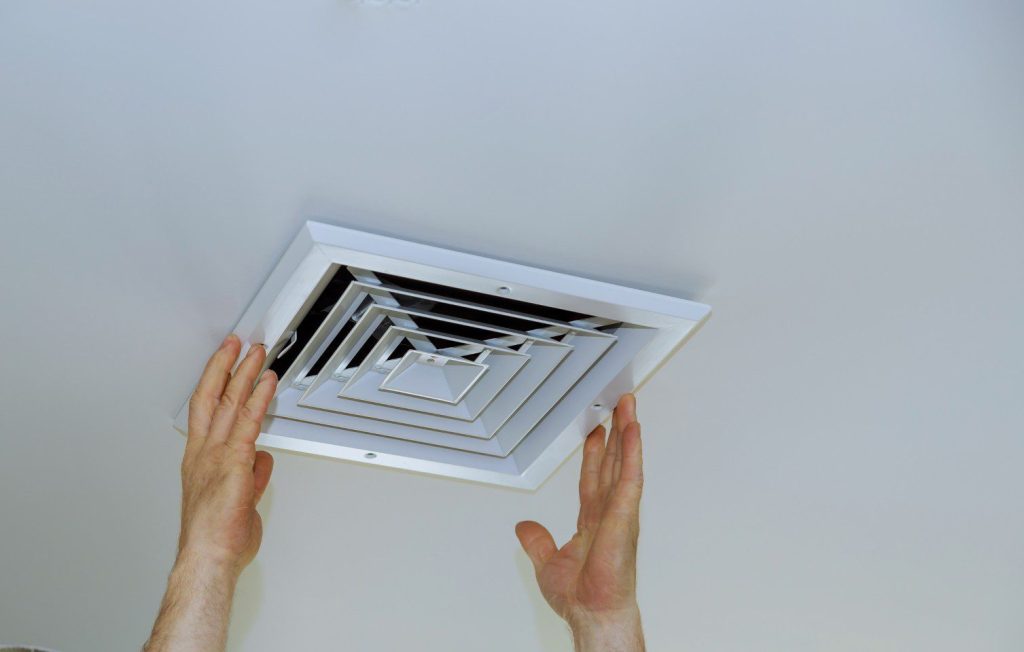


If your home suffers from condensation, stale air or black mould, you will usually come across two ventilation solutions very quickly. One is a Positive Input Ventilation system. The other is the extractor fan. Both aim to improve airflow and reduce moisture problems, but they do not work in the same way, and they do not solve exactly the same issue.
That difference matters more than most homeowners realise. A lot of people assume they need to choose between them. In reality, the right answer often depends on where the moisture builds up, how the home is laid out and whether the problem affects one room or the whole property. In some homes, a good extractor fan is the main answer. In others, a positive input system offers a more effective long-term fix.
Extractor fans are widely recommended for rooms that create bursts of steam and moisture, such as bathrooms and kitchens, while PIV systems are used more broadly to improve whole-home airflow and reduce condensation linked to trapped humidity. If you understand those roles properly, it becomes much easier to decide what your home actually needs.
Most people start looking at home ventilation because something in the home has gone wrong. Windows stream with water in the morning. Mould returns to the same corners. The bathroom stays damp for too long after showers. Cooking leaves the kitchen heavy with moisture. Bedrooms feel stale. The air inside the property never quite feels fresh.
At that point, it is easy to ask the wrong question. People often ask, “Which system is better?” when the better question is, “Which system solves the moisture pattern in this home?” A kitchen that fills with steam every day needs one kind of control. A whole house that traps humidity across several rooms needs another.
This is why the comparison between PIV and extractor fans matters so much. They are not direct substitutes in every situation. They support ventilation from different angles, and understanding that difference is the first step towards solving condensation and mould properly.
An extractor fan removes air from a specific room and vents it outside. That simple function makes it especially useful in places where moisture appears in strong bursts, such as bathrooms, kitchens and utility rooms. When you take a shower, boil pans or dry clothes near a source of heat, the air in that immediate area fills with warm, wet vapour. An extractor fan aims to remove that moisture before it spreads through the rest of the property.
This makes extractor fans a form of source control. They deal with the moisture where it starts. UK guidance from the NHS and the UK government both recommend using extractor fans in bathrooms and kitchens to reduce moisture and lower the risk of mould growth.
That source-control role is why extractor fans remain essential in modern homes. If you have a bathroom with poor ventilation, condensation can settle quickly on ceilings, mirrors, walls and windows. If your kitchen lacks proper extraction, steam and cooking moisture can move into adjoining rooms and increase humidity levels elsewhere. A working extractor fan deals with that problem early.
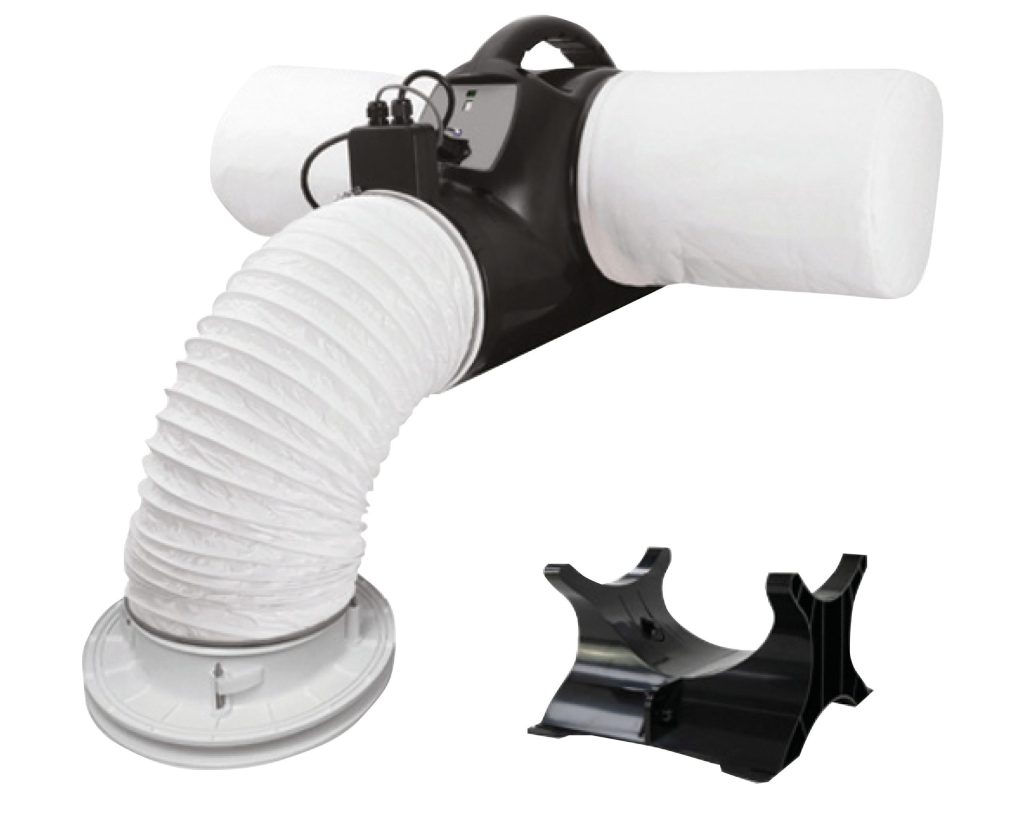
A PIV system works in a broader way. Instead of removing moisture from one room at a time, it introduces filtered air into the property and helps push stale, humid air out. In a typical house, the main unit often sits in the loft and feeds air through a central diffuser on the landing or in the hallway. In properties without suitable loft access, wall-mounted alternatives may offer a similar ventilation approach.
The purpose of a positive input ventilation system is not to capture steam from one shower or one cooking session. The purpose is to improve background airflow across the home and reduce the general build-up of humidity that leads to condensation, stale air and recurring mould.
This is the clearest way to compare the two. An extractor fan gives you local control. A positive input ventilation system (PIV) gives you whole-home control. The extractor fan targets a specific room that creates concentrated moisture. The PIV system improves the wider air movement of the property.
That difference shapes where each system performs best. If your problem is a bathroom that fills with steam and has no proper extraction, an extractor fan is not optional. You need source control there. If your problem is general condensation across the property, especially in bedrooms, hallways and cold corners, a PIV system may offer a stronger long-term answer because it addresses the whole background humidity level in the home.
Many homeowners need to hear this clearly because they often compare the two systems as if one must replace the other. In practice, they often work best together because homes create both local bursts of moisture and broader humidity patterns.
An extractor fan is usually the better choice when moisture comes mainly from one room or one repeated activity. Bathrooms, kitchens and utility spaces create intense, concentrated humidity. That moisture needs to be removed at the source before it has the chance to drift into the rest of the property.
If your bathroom mirror stays wet long after every shower, if your ceiling keeps developing mould above the bath or if the kitchen becomes heavy with steam every evening, source extraction should sit high on your list.
In those situations, a PIV system on its own may not be enough because it does not remove that immediate burst of steam as directly as an extractor fan does. PIV helps with the wider airflow, but the bathroom or kitchen still needs direct extraction if you want the room to clear quickly and efficiently.
This is why extractor fans remain essential even in homes that also use PIV. Wet rooms still need targeted moisture removal.
A PIV system is often the better choice when condensation affects multiple parts of the home and the air feels stale overall. If windows in bedrooms stream with moisture, if mould appears behind furniture or in corners away from wet rooms and if the home feels under-ventilated overall, you are usually looking at a whole-house moisture problem rather than a single-room issue.
That is exactly the kind of setting where PIV tends to perform well. It introduces filtered air, reduces background humidity and helps stale air move out of the property.
This does not mean every house with condensation automatically needs a positive input ventilation system. Diagnosis still matters. But if the moisture problem spreads well beyond the bathroom or kitchen, and especially if it affects sleeping areas and circulation spaces, the case for a whole-home solution becomes much stronger.
This is the part that many comparisons get wrong. They frame PIV and extractor fans as competing solutions when they often play complementary roles. A bathroom still needs to remove steam at the source. A kitchen still needs to clear moisture and odours where they are created. At the same time, the wider home may still struggle with trapped humidity, stale air and condensation across colder surfaces.
In that situation, both systems matter. The extractor fans remove intense local moisture. The ventilation system improves the background ventilation across the property. That combination creates a more complete strategy because it deals with both the source and the spread of moisture.
PIV systems are regularly described as supporting general condensation control, while extractor fans remain part of the recommended approach in kitchens and bathrooms.
That is why the smartest question is rarely “Which is better?” The smarter question is “Which job needs doing in this home, and does one system handle all of it?”
That depends on what is causing the mould. If mould forms mainly because steam lingers in a bathroom or because cooking moisture keeps spreading from the kitchen, then good extraction becomes essential. If mould forms in bedrooms, on outside walls, behind wardrobes or in corners where humid air settles over time, then a PIV system may be more relevant because it tackles the broader condensation pattern.
In real homes, mould often has more than one driver. A bathroom may lack extraction, while bedrooms may also trap humidity overnight. That is another reason why one-system thinking can be too simplistic. If mould appears in different ways in different rooms, the home may need both local extraction and improved whole-home air movement.
A PIV system usually costs more upfront than a standard extractor fan because it is a broader installation with a larger role. Extractor fans often cost less to buy and fit, especially when the installation route is simple. A PIV system involves a whole-home setup and often sits in a different pricing bracket, typically running into the hundreds or low thousands installed, depending on the property and specification.
That does not automatically make extractor fans a better value. Value depends on whether the system solves the right problem. A cheap extractor fan is not a good value if the home really needs whole-home condensation control. In comparison, a PIV system is not a good value if the real issue is simply that the bathroom has no proper extraction.
This is one of the most important points in the whole comparison. Price only makes sense when the diagnosis is correct.
Both systems are generally low-cost to run, but their operating profiles differ. A typical extractor fan runs only when you switch it on or when a timed or humidity-based control activates it. A PIV system often runs continuously at a low level, which still keeps operating costs relatively modest. Manufacturer guidance for PIV systems often describes annual running costs as low, particularly when compared with the ongoing inconvenience and repair costs linked to unresolved condensation.
The key difference again lies in purpose. An extractor fan deals with short bursts. A PIV system supports the building all the time. The right choice depends less on energy cost and more on which problem needs solving.
Ventilation systems usually have the stronger case here because bedrooms and living spaces often suffer from background humidity rather than immediate bursts of moisture. People breathe overnight, keep windows shut in colder weather and create stale, humid air in sleeping areas without always realising it. When condensation appears on bedroom windows or mould develops behind furniture in a living room, the problem often points to inadequate whole-home airflow rather than the lack of one local extractor.
As positive input ventilation supports the wider property, it is usually better placed to improve those conditions. Homeowners often notice that bedrooms feel fresher and less stuffy once the background ventilation improves. That is harder for a single extractor fan to achieve because extractor fans focus on one room at a time.
This does not mean it replaces local extraction. It means that bedrooms and living spaces usually benefit more from the kind of continuous background air movement that PIV provides.
Extractor fans are usually the better direct solution in kitchens and bathrooms because those rooms create concentrated moisture at the source. Cooking and showering release humidity quickly and in high volumes. A properly installed extractor fan can remove that moisture before it has the chance to spread.
A positive input ventilation system can still support the overall environment of the house, but it does not remove shower steam or cooking vapour as directly as a local extractor fan does. So when comparing the two in wet rooms, extractor fans usually take the lead.
This is a very common situation, and it usually tells you something important. It suggests the home may have a broader airflow problem than one or two fans can solve. Perhaps the bathroom fan works, but windows still stream in the bedrooms. Perhaps the kitchen clears reasonably well, but mould still appears on external walls elsewhere in the house. Perhaps the extractor fans exist, but they are not enough to change the overall moisture balance of the property.
That is often where PIV enters the picture. If local extraction exists but the house still traps humidity more generally, a whole-home solution may be needed to support wider air movement and lower background moisture levels.
This is another good example of why the comparison should not become a false choice. Sometimes the home needs more than one layer of ventilation control.
That is why the right question is never just “PIV or extractor fans?” The right question is “What is actually causing the moisture problem in this home?”
We can give you guidance on the best option for you, contact our Damp Resolution team today.
What service do you require?
Please enter your contact details:
Please upload images related to your issue:
Thank you! Someone will be in touch with you shortly.