


If you are dealing with condensation, stale air or recurring mould, one of the first practical questions you will ask is how much a PIV system costs. That is the right question to ask, but many people ask it too narrowly. They focus on the sticker price of the unit and miss the bigger issue, which is whether the system suits the property, solves the right problem and gives lasting value once it is installed.
A Positive Input Ventilation system is not just a product sitting on a shelf. It is part of a ventilation strategy. The true cost depends on the type of unit, the layout of the home, access, installation complexity and whether the system needs to work alongside other measures such as extractor fans.
When it comes to cost, there is no single national PIV price that applies to every home. The real question is not “What does a PIV system cost?” but “What does the right PIV system cost for this property and this problem?”
Once you frame it that way, the pricing starts to make much more sense.
PIV costs vary because homes vary. A simple loft-mounted installation in a straightforward property will not cost the same as a more awkward install in a flat, a house without a suitable loft or a property with limited access and additional electrical work.
That means two homeowners can both ask for a PIV quote and receive very different figures without either quote being wrong. One may need a standard loft-mounted unit with simple access and minimal disruption. Another may need a wall-mounted alternative, more labour, additional routing considerations or a different spec altogether. On paper, both are buying “a PIV system”. In practice, they are not buying the same job.
This is one reason pricing content around PIV often feels vague or frustrating. It is not always because the information is poor. It is because the product category covers more than one type of property and more than one type of installation path.
When people shop by price alone, they often compare the cost of a unit without considering what installation actually involves. A PIV system only delivers value when it is fitted properly and matched to the property. The purchase price of the unit matters, but it is only one part of the total spend.
The overall cost usually includes the unit itself, labour, electrical connection, fitting the diffuser or internal distribution point, testing and setup. Depending on the property, the job may also involve extra work linked to loft access, wall construction, routing or site conditions.
This is why a cheaper unit can become more expensive if it is the wrong choice. If the system does not suit the home, needs alteration later or fails to address the real cause of the condensation, the lower starting price does not represent real value at all.
A reasonable way to think about positive input ventilation pricing in the UK is to treat it as a range rather than a fixed figure. Price ranges are broad, but that is exactly the point. If you see a very low figure, you should question what that quote includes and whether it covers the full job properly. If you see a very high figure, you should ask what extra specification, complexity or service sits behind it. Price in isolation tells you very little. Scope tells you much more.
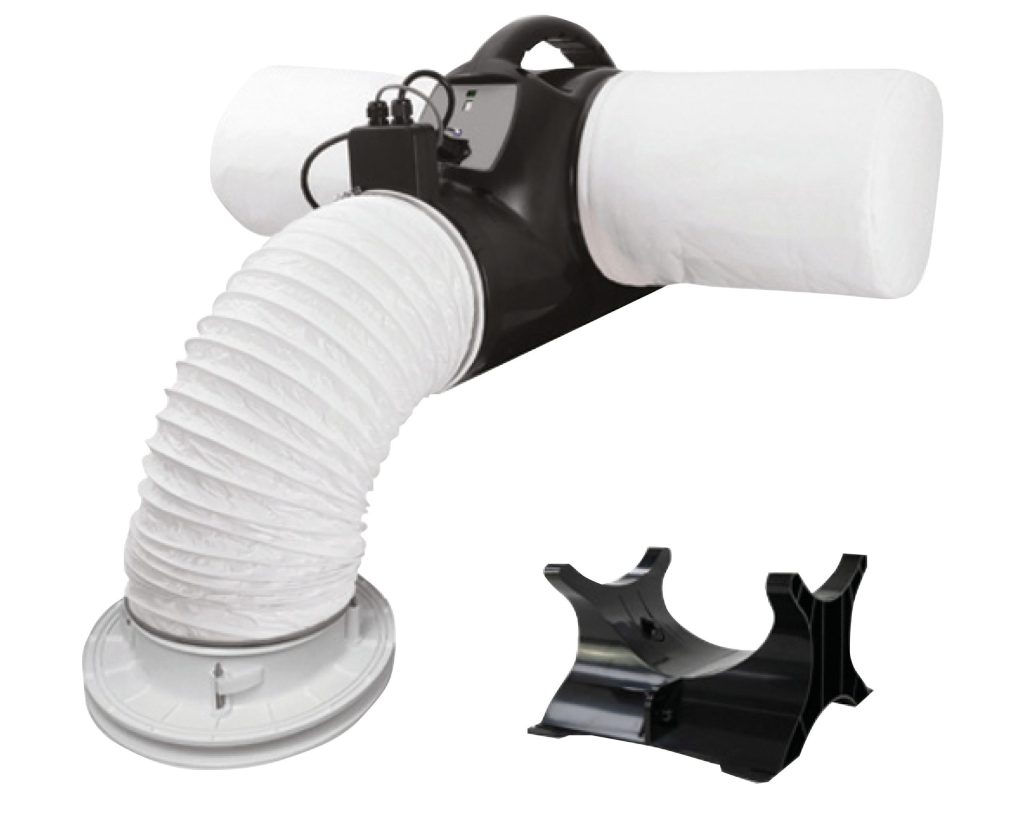
The type of PIV system matters because different homes need different setups. Loft-mounted systems are common in houses because they can sit out of sight and feed fresh air into a central point, such as a landing. Wall-mounted systems become more relevant in flats, apartments and homes without suitable loft spaces.
That difference affects cost because installation challenges change with the unit type. A loft-mounted system depends on loft access and the practicalities of fitting equipment in that space. A wall-mounted system depends more on the wall type, routing and the specific layout of the home. These are not identical installation tasks, so the final price often reflects that.
This matters for budgeting. If you live in a standard house with a straightforward loft, you may fall into a simpler pricing bracket. If you live in a flat without loft access, the system choice and installation route may shift the price accordingly.
Not every home needs the same airflow, and not every property behaves the same way. Larger homes, more complex layouts and properties with unusual room arrangements can all influence the cost because the system needs to match the building.
That does not always mean a dramatic jump in price, but it does mean bigger or more complex homes should not assume they will land at the very bottom of any online guide. A unit that works well in a compact two-bedroom house may not be the right unit for a larger family home, and the fitting requirements may not be the same either.
This is another reason why low headline figures can be misleading. They often describe the simplest possible scenario, not the average real-world job.
Access is one of the most overlooked cost factors. A loft-mounted ventilation system might sound straightforward, but the practical reality depends on the loft hatch, how easy it is to move around in the space, whether the installer can work safely and whether the area is obstructed.
This can frustrate homeowners because access problems do not feel like part of the “product”. They are not buying a better unit when access costs more. They are paying for the practical realities of fitting it correctly. Even so, that labour still matters because correct installation shapes how well the system performs.
If you understand this early, pricing feels less arbitrary. The quote starts to reflect the job, not just the box being fitted.
Some PIV systems include additional features designed to support comfort, especially in colder weather. Those features can influence both purchase price and running costs. While not every homeowner needs the same specification, it is common for pricing to rise when a unit includes more advanced features or enhanced comfort functions.
That matters because buyers sometimes compare two quotes without realising the products are not directly equivalent. One may cover a more basic system. Another may include a higher-spec unit or features aimed at a different comfort level. That does not automatically make the more expensive quote better, but it does mean the two prices may not be comparable on a like-for-like basis.
A good quote should make clear what kind of unit is being supplied and why it suits the property.
Many homeowners focus on installation cost and forget that running costs matter too. The good news is that PIV systems are generally considered low-energy to operate. That low running cost is one reason many homeowners see PIV as a good long-term value. Even if installation requires a meaningful upfront spend, the day-to-day cost of operation is usually modest when compared with many other household systems.
Of course, low running costs do not remove the need for sensible budgeting. Filters need maintenance or replacement over time, and any heating function will influence the cost more than simple fan use. Still, the overall operating picture is often reassuring.
A PIV system is low-maintenance, but it is not maintenance-free. Filters need changing in line with manufacturer guidance, and that should form part of your long-term cost expectations.
This is not usually a major annual expense, but it does matter because system performance depends on clean, effective filtration. Homeowners sometimes treat maintenance as an afterthought because it feels small compared with the upfront quote. In reality, maintenance is part of the value equation because it helps keep the system working as intended.
When comparing costs, it helps to think in terms of total ownership rather than day-one spend alone.
This is where many buying decisions go wrong. A low quote feels attractive, especially when you are already spending money to fix a home problem. But a PIV system only delivers value if it actually suits the property and solves the issue. If a cheap system underperforms, gets installed badly or fails to match the true moisture problem, the lower quote stops being a saving and starts becoming a false economy.
The same logic applies at the top end. A more expensive quote is not automatically better either. You still need to understand what you are paying for. The difference may reflect product quality, labour quality, additional features, access difficulty or a more complete installation scope. Or it may simply reflect overpricing. You only know by looking at what is included and why.
This is why the most useful way to judge price is to ask whether the quote reflects proper diagnosis, suitable specification and sound installation. If it does, the number becomes meaningful. If it does not, it is just a number.
A PIV system can offer good value in the right home, but not every damp-looking problem is a ventilation problem. If condensation drives the issue, PIV often makes strong financial sense because it addresses the background condition causing repeated moisture. If a leak, structural defect or penetrating damp sits at the root of the problem, then a PIV system may not represent value at all because it is being applied to the wrong cause.
This is one of the most important pricing points of all. Homeowners often ask, “How much does PIV cost?” when they should also ask, “Is PIV the correct solution for this property?” The cost of the wrong solution is always too high, even if the quote looks affordable.
That is why a proper assessment matters before any serious budget decision. You need clarity on the cause before you can judge the value of the remedy.
The best way to look at PIV cost is to judge it against what the system may help you avoid, as well as what it costs to install. A well-matched system may help reduce repeated mould cleaning, recurring redecorating, poor air quality, ongoing condensation damage and the frustration of living with a damp-feeling home. It may also improve comfort and reduce the constant need for short-term moisture-control measures.
That does not mean every homeowner should justify any quote by imagining unlimited long-term savings. It means value should include outcome, not just outlay. A system that lowers humidity, reduces mould risk and improves the way the home feels to live in can be worth more than its upfront cost suggests. A system that gets fitted cheaply but does not address the underlying issue is not good value at any price.
That is the real pricing lens that matters.
For many homes, you should expect a properly installed PIV system to cost somewhere in the hundreds to low thousands, depending on property type, access, system specification and installation complexity.
That is the honest answer. It is broad because the market is broad. What matters more than forcing a single number is understanding what drives the figure and what the quote actually covers. If you keep that in mind, you are far more likely to make a sensible decision.
A PIV system should never be judged by headline price alone. The real cost depends on the home, the system type, the installation route and whether the unit addresses the actual cause of the condensation or mould problem. Running costs are usually modest, maintenance is manageable and good systems can offer strong long-term value in the right property.
The smartest way to approach cost is to start with diagnosis, then move to suitability, then judge the quote against the scope of the job. Once you do that, PIV pricing becomes much easier to understand and much easier to compare.
What service do you require?
Please enter your contact details:
Please upload images related to your issue:
Thank you! Someone will be in touch with you shortly.