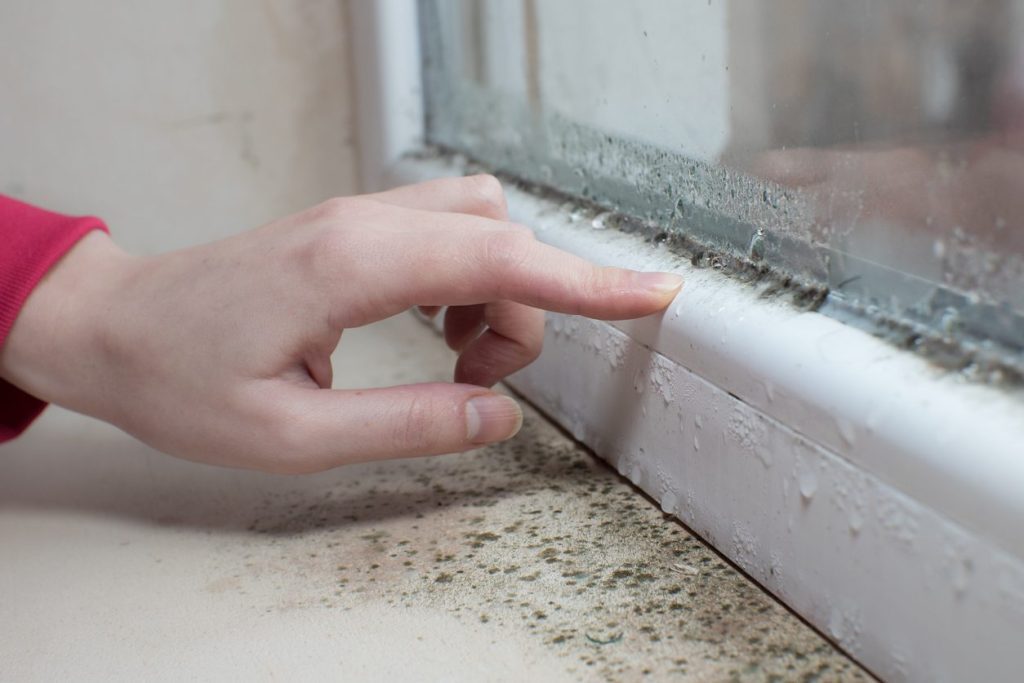


If you keep finding water on your windows, black mould on cold walls or a musty smell that always seems to come back, you are not dealing with a surface problem alone. You are dealing with a moisture problem inside the air of your home. That is why so many people ask the same question before they commit to a ventilation upgrade: Does a PIV system actually stop condensation and mould?
The honest answer is that a Positive Input Ventilation system can be extremely effective against condensation-related mould when poor airflow and trapped humidity sit at the heart of the problem. A PIV system works by introducing filtered air into the property and encouraging stale, moisture-heavy air to move out. That change in airflow can lower humidity, reduce surface condensation and make it much harder for mould to keep returning. It is widely used in UK homes for exactly that reason!
That said, a PIV system is not magic, and it is not the answer to every damp problem. If water enters the building through a leak, damaged masonry, a failed roof or another structural defect, a PIV unit will not repair that fault. If condensation and mould come from poor ventilation, though, a PIV system can form a powerful long-term solution. The key is understanding what kind of moisture problem you actually have. Wondering if a PIV system is for you? Contact us today for advice from our experts, we offer PIV installation Nationwide!
Most homeowners first notice the symptom rather than the cause. They see water droplets running down the inside of the windows. They wipe mould from a bedroom corner. Repaint the bathroom ceiling. Or they wash the black marks off a wall behind a wardrobe. Then, a few weeks later or when the weather turns colder, the problem returns.
That happens because condensation is not usually a one-off event. It is a repeating pattern. Homes create moisture every day through cooking, bathing, drying clothes indoors, and simply living in the space. If that moisture stays trapped inside, it settles on the coldest surfaces in the home. Once those surfaces remain damp often enough, mould starts to grow. Improve the airflow, and you change the pattern. Leave the airflow poor, and the cycle repeats.
This is why condensation-led mould often appears in predictable places. It turns up in corners, on outside walls, around window reveals, on ceilings, behind furniture and in rooms that do not get enough fresh air. It also gets worse in colder months because colder surfaces make it easier for airborne moisture to condense.
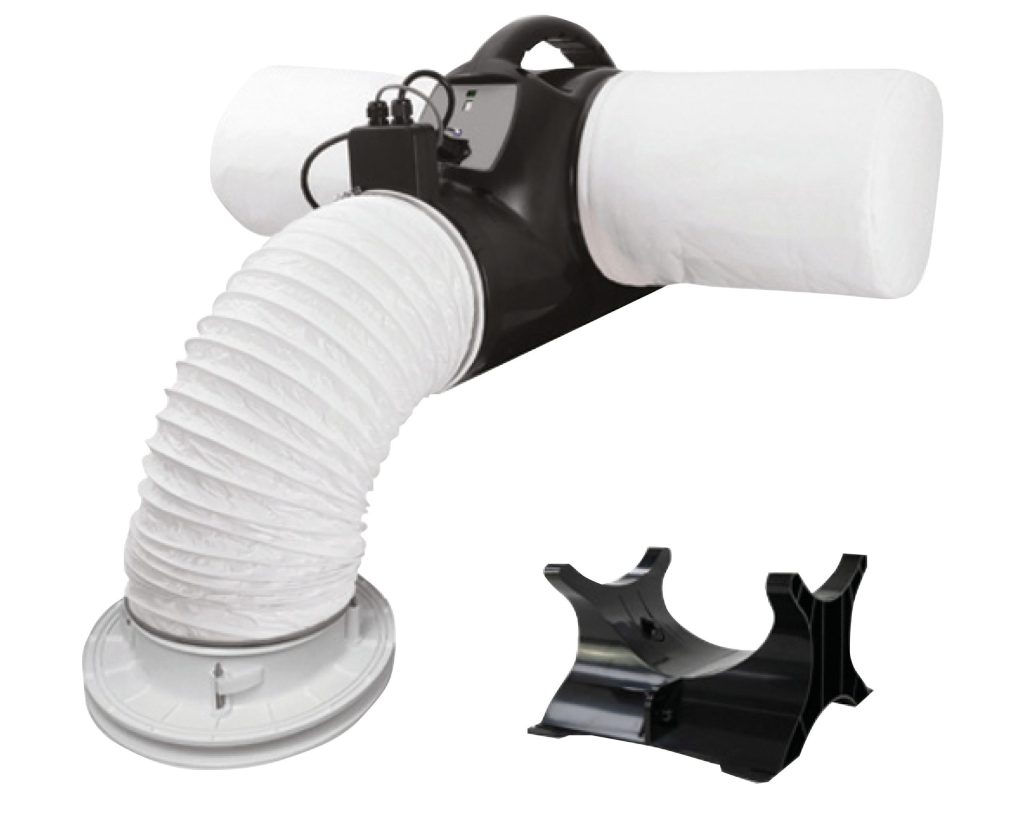
A PIV system does not remove mould by scrubbing surfaces or treating walls with chemicals. It changes the indoor conditions that allow mould to thrive. The system introduces a steady flow of filtered air into the property and creates a slight positive pressure that helps push damp, stale air out. That reduces the build-up of humidity inside the home and makes condensation less likely to form on surfaces.
That distinction matters. If you only clean the mould, you deal with the result. If you improve the ventilation, you start dealing with the reason it keeps coming back. In homes where black mould is driven by trapped humidity rather than a building defect, that is exactly the shift you need.
A well-specified PIV system can also make the home feel fresher and less stagnant. Many homeowners notice that bedrooms feel less stuffy, windows clear more quickly, and the whole property feels less heavy in the air. Those are not cosmetic changes. They are signs that the moisture balance indoors is improving.
In the right home, yes, a PIV system can stop or dramatically reduce ongoing condensation. The strongest results usually appear in homes where condensation forms because the property lacks effective background ventilation. Industry guidance and specialist installers consistently position PIV as a condensation-control solution because it reduces excess moisture vapour and helps prevent that vapour from settling on colder surfaces.
That does not mean every single drop of moisture disappears overnight. Some homes take longer to stabilise than others. Some households also need better extraction in bathrooms or kitchens alongside PIV. But when the core issue is humid air staying trapped indoors, PIV usually addresses the problem at the right level. It changes the way the home handles moisture rather than leaving that moisture to build up unchecked.
This is also why PIV tends to work better as a long-term strategy than temporary moisture control methods. Wiping windows helps for a morning. Opening a window helps while the window stays open. A dehumidifier can remove moisture from a room, but it does not always solve the wider airflow issue across the home. A PIV system sits in the background and works continuously, which is exactly what recurring condensation problems usually need.
It can stop mould returning when that mould is caused by condensation and poor ventilation. That is the key phrase. Mould needs moisture to survive. If a PIV system lowers indoor humidity and reduces the repeated surface dampness that mould depends on, it can remove the conditions that allow the mould to keep growing back. Several UK specialists explicitly describe PIV as a way to help stop mould coming back by steadily lowering humidity and improving air movement.
What it does not do is erase existing mould staining by itself. If mould has already spread across paint, plaster or sealant, you will still need to clean, treat or remediate those surfaces properly. PIV helps stop the same environment from recreating the problem again and again. That is what makes it so valuable. It helps turn mould control from a short-term cleaning routine into a proper environmental fix.
That also explains why some households say PIV “didn’t remove the mould” when the real issue is that they expected the unit to reverse visible damage without any remedial work. If the mould is already there, you still need to deal with it. The system helps stop the cause from recreating it.
One of the biggest mistakes people make is treating all damp as the same thing. They are not the same. Condensation damp is very different from penetrating damp, rising damp or water ingress from a leak. PIV is designed to help with ventilation-related moisture. It is not a structural damp proofing product, and it is not a repair for building defects.
That is why proper diagnosis matters so much. If your mould keeps appearing because a roof leak is soaking a ceiling, you need a roof repair. If moisture enters through defective pointing or failed seals, you need building repairs. If black mould appears in bedrooms, corners, around windows and on cold external walls during colder months, then poor airflow and condensation often sit much closer to the real cause.
A good recommendation should always start with that distinction. The right system in the wrong diagnosis will always disappoint.
Most people try symptom control first. They buy anti-mould spray. Clean the wall. Or repaint the room. They leave the windows open more often. Or they might even buy a portable dehumidifier. Those steps can help in the short term, but they often fail to create lasting change because they do not alter the background ventilation across the home.
PIV tackles the cause more effectively because it works continuously and at a whole-home level. Instead of treating one damp patch after another, it reduces the airborne moisture that feeds those patches. It also helps displace stale indoor air, which improves the overall condition of the home rather than focusing on one affected corner.
This whole-home approach matters because condensation-led mould usually does not stay isolated forever. It might start in one room, but the underlying moisture pattern often affects several rooms at once. The windows in the bedroom collect water. The bathroom ceiling shows mould. A back bedroom smells musty. An external wall near a wardrobe darkens in winter. That spread tells you the issue is bigger than one local stain. PIV is effective because it addresses the broader ventilation problem.
PIV tends to work best in homes that show a clear condensation pattern. These are usually properties where windows steam up inside, mould appears on colder surfaces, air feels stale, and humidity builds up from ordinary daily living. The system is especially well-suited to homes that feel under-ventilated or sealed up, where fresh air does not move naturally through the property.
It also works best when it forms part of a sensible overall ventilation setup. A kitchen still needs effective extraction. Bathrooms still need an extractor fan that clears steam properly. A PIV system supports the whole home, but it does not remove the need to control moisture at the source in wet rooms.
This is why some of the best outcomes come from pairing ventilation with good kitchen and bathroom extraction. You remove bursts of moisture where they are created, then use PIV to improve the background airflow across the property as a whole.
A PIV system may not be enough on its own when the home has multiple overlapping issues. For example, a property may suffer from poor general ventilation, weak bathroom extraction and a hidden leak at the same time. In that case, PIV can still help, but it will not replace the need for extraction upgrades or repairs.
The same applies in homes where mould has already caused visible damage. The system can help stop recurrence, but you may still need a proper mould treatment plan to deal with staining, contaminated surfaces or damaged finishes. If the property has deep-rooted damp from building faults, you need to address those faults directly.
This does not weaken the case for PIV. It actually strengthens it, because it puts the system in the right role. PIV is a powerful condensation and airflow solution. It is not a catch-all substitute for diagnosis, extraction or structural repairs.
That varies from home to home, but many installers and specialist providers report that customers can notice improvements in condensation surprisingly quickly once the system starts running. Some notice clearer windows and fresher-feeling air in the first days or weeks, while bigger improvements in the wider indoor environment take longer, depending on severity, lifestyle and the condition of the property.
That timeline makes sense. Window condensation responds quite quickly to changes in humidity. Long-standing mould problems can take longer because you are not only reducing moisture but also dealing with the aftermath of months or years of poor ventilation. The important point is not whether the system transforms the property in twenty-four hours. The important point is whether it starts changing the environmental pattern that caused the issue. In the right home, it does.
If the mould was caused mainly by condensation and the PIV system is correctly specified and installed, the risk of recurrence should reduce significantly because the home no longer supports the same damp conditions. That is why specialists often present PIV as a long-term approach rather than a cosmetic fix.
However, mould can still come back if other causes remain untreated. A disconnected extractor fan, blocked vents, indoor drying in unventilated rooms, cold bridging or untreated leaks can all continue adding moisture or localised dampness to the home. That does not mean PIV has failed. It means the property still needs a fuller moisture-control strategy.
The strongest results come when the installation follows a proper assessment and the wider ventilation setup supports it. In those conditions, PIV often becomes the turning point that breaks the cycle.
Yes, when condensation drives the mould. Cleaning matters because you need to remove visible contamination safely, but cleaning alone rarely solves a recurring mould problem. It treats the mark, not the indoor climate. PIV improves the climate inside the property by reducing the moisture load in the air and encouraging steady air movement.
That is why so many households feel stuck before they switch approaches. They clean mould, repaint, clean again and keep repeating the same process. PIV changes the conversation from “How do I remove this mould again?” to “How do I stop my home from creating the conditions mould needs?” That is a much stronger question, and it usually leads to a much better outcome.
Start by working out whether the signs point to condensation or to another form of damp. If you see mould around windows, on colder external walls, in corners and behind furniture, and the problem gets worse in winter, or in under-ventilated rooms, condensation is a strong possibility. If the issue links clearly to rainwater ingress, leaking pipework or damaged building fabric, the answer may lie elsewhere.
This is where professional advice matters. The right installer will not just sell a unit. They will assess the pattern of moisture, the property layout, the current ventilation and the likely cause of the mould. That process is what turns PIV from a product into the right solution.
If the mould and moisture come from poor airflow and persistent condensation, then yes, a PIV system can be one of the most effective long-term solutions available. It lowers humidity, improves air movement and makes it much harder for condensation and mould to keep returning. It does not fix leaks, cure structural damp or remove existing mould staining on its own, but it can absolutely stop the repeating indoor conditions that keep causing the problem.
That is why PIV matters. It does not just react to mould after it appears. It helps prevent the home from creating the environment that mould wants in the first place.
If you are dealing with recurring condensation, stale air or black mould that keeps coming back, we can help you assess the real cause and decide whether a PIV system is the right answer for your property.
What service do you require?
Please enter your contact details:
Please upload images related to your issue:
Thank you! Someone will be in touch with you shortly.